Creating a sterile environment is not only essential for the quality of dental procedures but also for the safety of both patients and clinical staff. The cleaning and sterilization of instruments in a clinic is not a single step, but a multi-stage process that must be carried out in a specific order.
Below are the 5 key stages that ensure proper hygiene:
Initial Instrument Rinsing
The first step in sterilization is mechanical and chemical cleaning of instruments. This phase removes visible debris and biological residues, paving the way for effective sterilization. Instruments that are not properly cleaned at this stage may not be fully sterilized later.
Ultrasonic Cleaning
Invisible threats require powerful solutions! Ultrasonic cleaners use high-frequency sound waves to remove microscopic particles from the instruments, eliminating hidden bacteria. This step is crucial for successful sterilization.
Autoclave Sterilization Process
High temperature and pressure work together to eliminate bacteria, viruses, and spores. The autoclave process is considered the “gold standard” of hygiene protocols, ensuring instruments are completely safe for use.
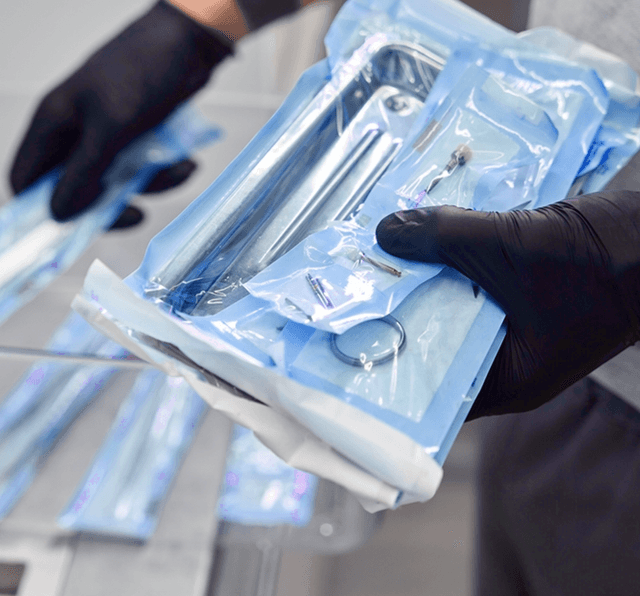
Sterile Packaging and Storage
Proper packaging and storage in a clean, dry environment are essential to maintain sterility after autoclaving. This stage helps prevent contamination before the next use and reflects the clinic's professional standards.
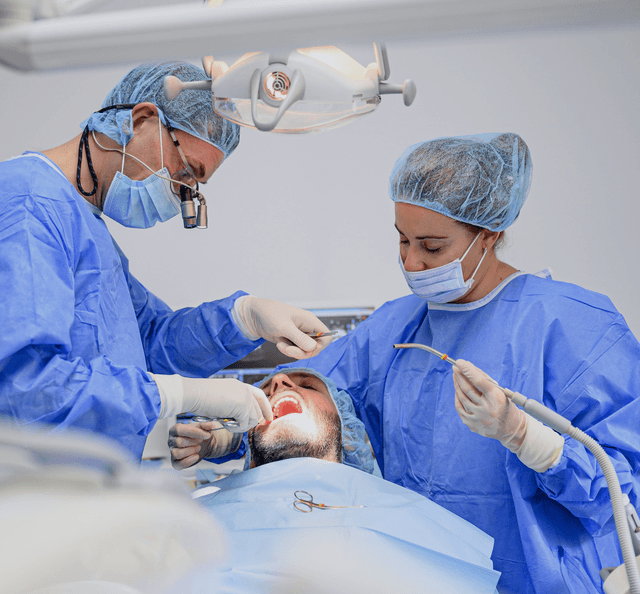
Protective Gear for Staff
Sterilization isn’t just about instruments. Protective gear such as medical masks, gloves, gowns, and face shields help protect both staff and patients. It is a key part of maintaining a sterile environment.
A sterile clinic is the result of a well-planned and consistently implemented system. Every step plays a role in delivering safe, high-quality care to patients. Remember: health begins with hygiene!