

Digital Dentistry: 3D printing of crowns and implants
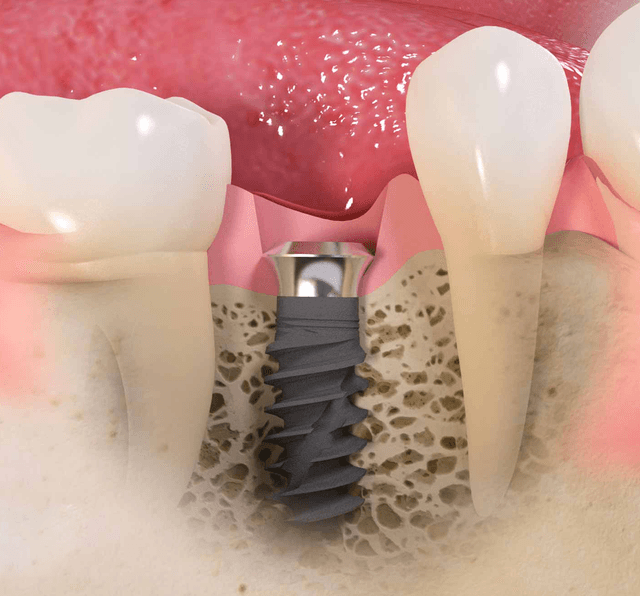
Digital dentistry is one of the most important fields of modern medicine, and 3D printing technology has brought revolutionary changes in this area. Compared to traditional dental methods, crowns, implants, and surgical guides produced by 3D printing are made faster and with greater precision. This improves the quality of treatment and significantly reduces its duration for the patient.
Before starting the 3D printing process, the patient’s oral cavity is scanned digitally using a special intraoral scanner, creating an accurate three-dimensional model of the teeth and mouth. Then, using specialized software, the structure needed for treatment is designed based on this digital model. At the next stage, the designed model is sent to a 3D printer, which adds material layer by layer to create an exact copy of the original structure.
One of the biggest advantages of this process is high precision. Crowns and implants made with 3D printing perfectly fit the patient’s oral structure and cause fewer mismatches and problems compared to classical methods. Additionally, 3D printing requires less time, which reduces the patient’s stay in the dental clinic and makes the treatment more comfortable and less stressful.The materials used in 3D printing are biocompatible and durable, positively affecting the long-term results of treatment. Also, this technology allows dentists to develop more complex and individualized treatment plans because digital models enable solutions fully tailored to the patient’s needs.
Currently, many advanced dental clinics in Azerbaijan successfully apply digital dentistry and 3D printing technology. This is an important step towards raising the international level of dental services in the country and providing patients with higher quality and more effective treatment.In the future, further development of 3D printing technology and the application of new materials will lead to improved treatment methods in dentistry. Thus, digital dentistry not only meets modern demands but also opens new opportunities for the development of this field.