

Orthodontics: care for braces and aligners
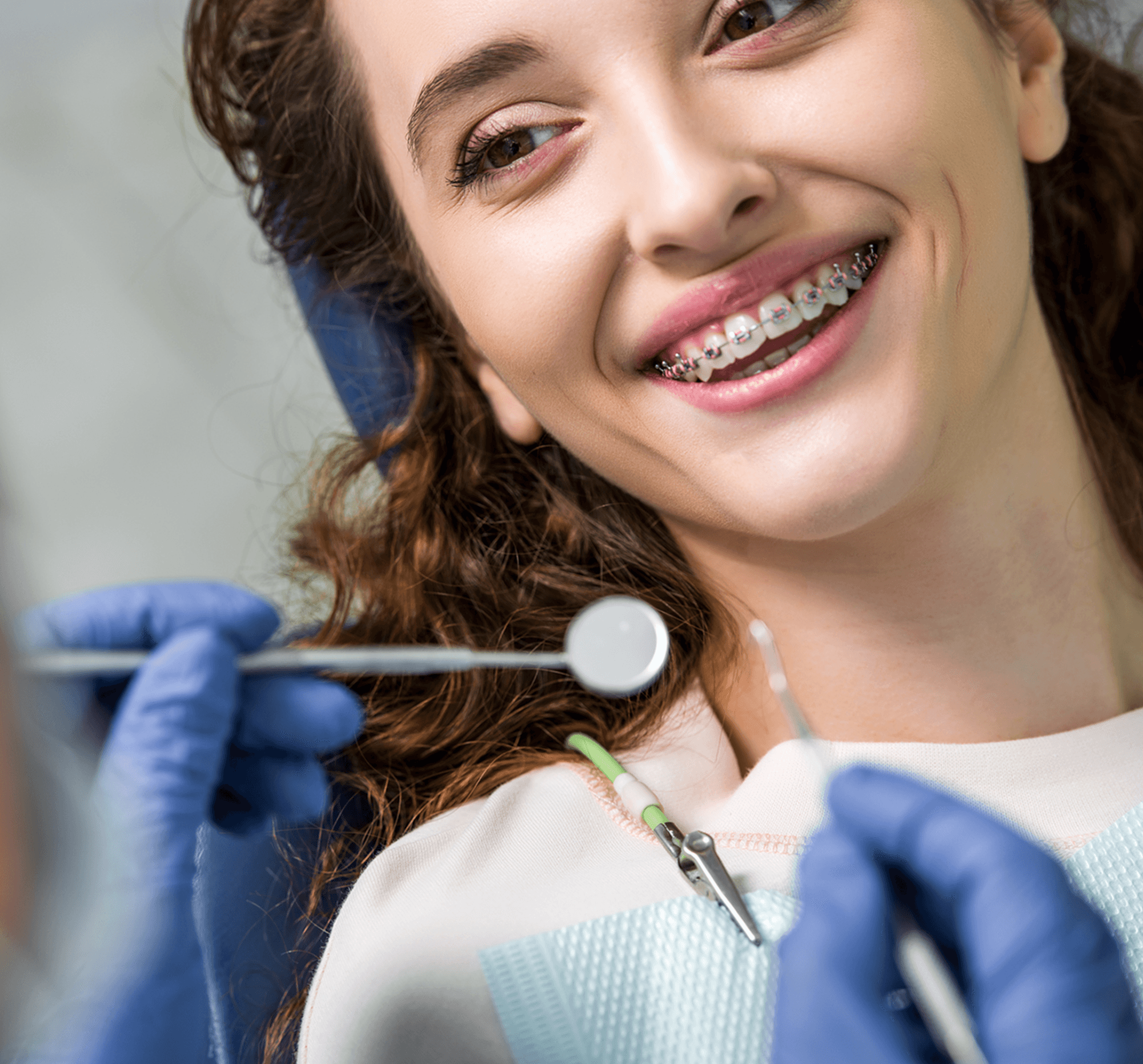
Caring for orthodontic appliances is a crucial part of treatment, affecting not only its outcome but also the overall oral health.
Braces and aligners require different approaches, but in both cases the main goal is to prevent inflammation, caries, and mechanical damage. Braces are fixed to the teeth and remain in place for the entire duration of treatment. Due to their complex structure, food debris and plaque easily accumulate around brackets and wires. These areas should be cleaned with special orthodontic brushes featuring V‑shaped bristles, interdental brushes and floss with rigid ends.
For better effect, using a water flosser—a device that directs a stream of water under pressure—is recommended to remove debris from hard-to-reach spots. After each meal, rinsing the mouth with water is advisable. Aligners are transparent removable trays that should be worn for at least 20–22 hours a day. They must be removed before eating or drinking anything except water. Aligners should be cleaned twice daily with warm water and a soft brush, without abrasive pastes.
They must not be boiled or cleaned with alcohol-based products, as that deforms the material. Aligners are kept in a separate case to avoid contamination and damage. Regardless of the appliance type, it is important to avoid sticky, very hard or staining foods. It is also not recommended to chew nails, pens or other hard objects, as this may break wires or crack trays. Regular visits to the orthodontist and hygiene compliance reduce the risk of complications and ensure a stable outcome. Responsible care for braces and aligners helps not only to achieve a straight smile but also to preserve gum and tooth health throughout treatment, preventing dental issues such as gingivitis, enamel demineralization and chronic plaque.