
az
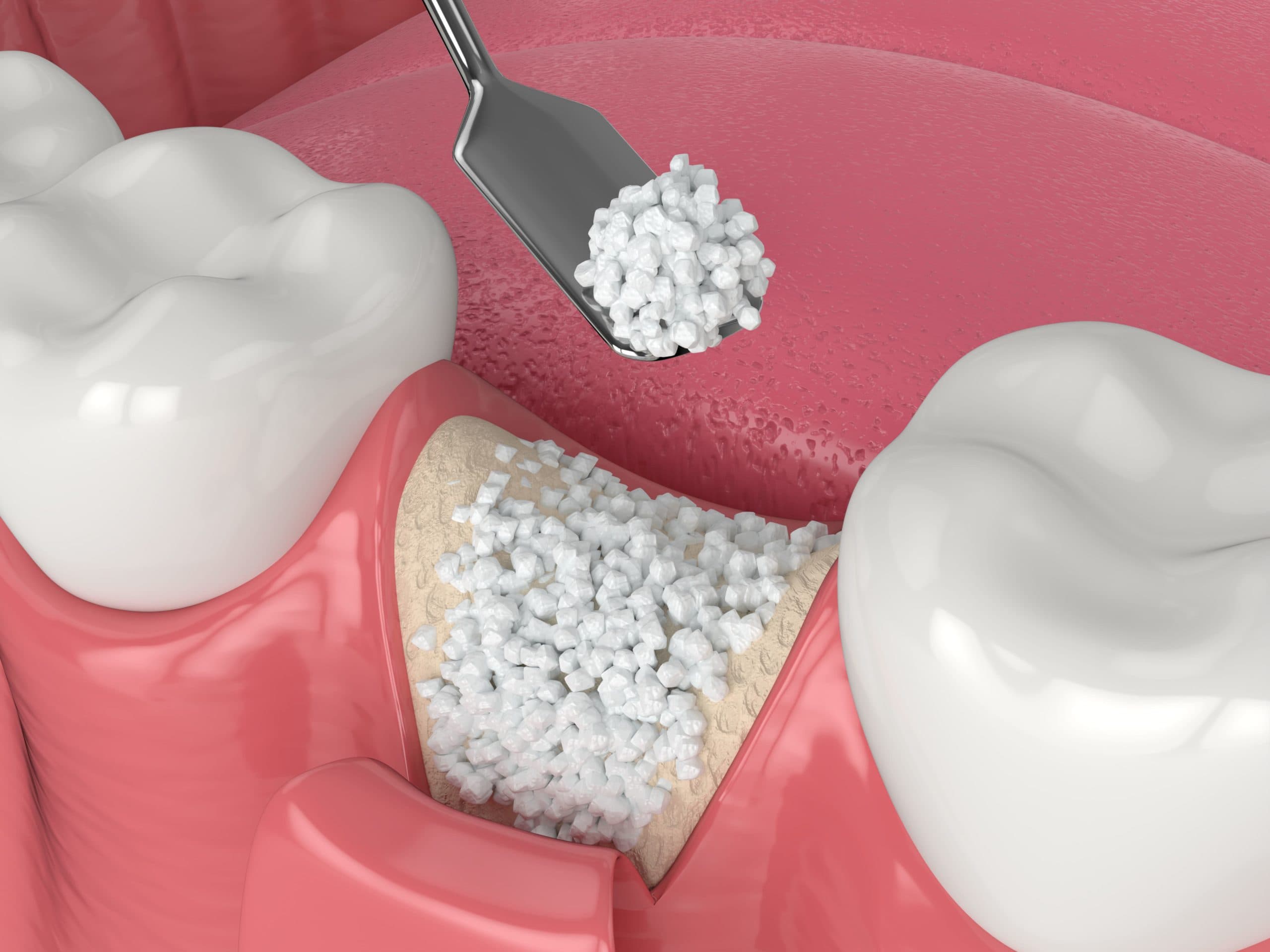
In recent years, environmental sustainability has become an important consideration in healthcare, including dentistry. Reducing environmental impact, minimizing waste, and using resources efficiently are now key priorities for many dental practices worldwide.
In this context, the use of biodegradable and environmentally safe materials in dentistry is steadily gaining momentum. Biodegradable materials are typically made from natural polymers, cellulose-based components, or innovative bioplastics. After use, these materials decompose biologically under certain conditions, breaking down into natural substances without harming the environment or contributing to pollution.
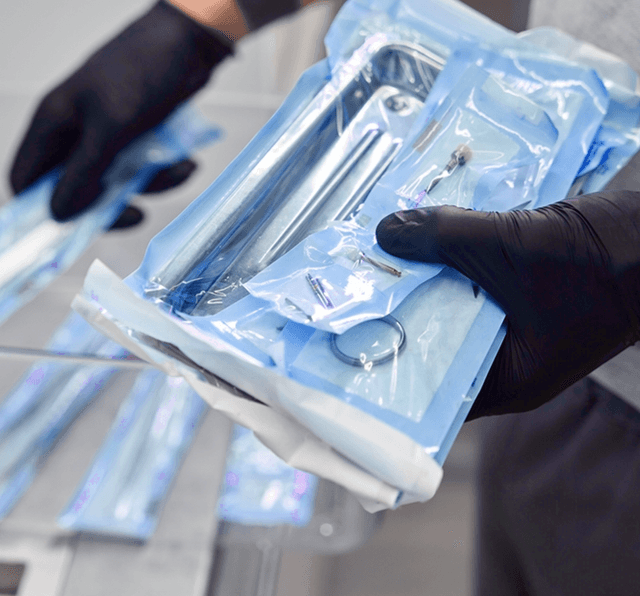
In dentistry, such materials are commonly applied in single-use instruments (such as disposable spatulas, saliva ejectors, and other accessories), sterilization packaging, and even some restorative composites. Traditional plastics may take hundreds of years to decompose, while biodegradable alternatives can break down within months or a few years, offering significant advantages in waste management and ecological preservation. However, the use of biodegradable materials in medical fields extends beyond environmental benefits.
They are also non-toxic and safe for both patients and staff, reducing chemical exposure risks. Numerous international studies indicate that these materials help maintain sterile environments without increasing infection risks or compromising safety. Nevertheless, some biodegradable products may still fall short of conventional materials in terms of strength and durability. Therefore, their use in dental practice is currently more common in supporting tools and disposable items.
As technology advances rapidly, broader applications of biodegradable materials are expected, with ongoing research and development in this promising area. The development of eco-friendly dentistry is increasingly seen as a crucial direction for both healthcare innovation and the planet’s future sustainability.