
az
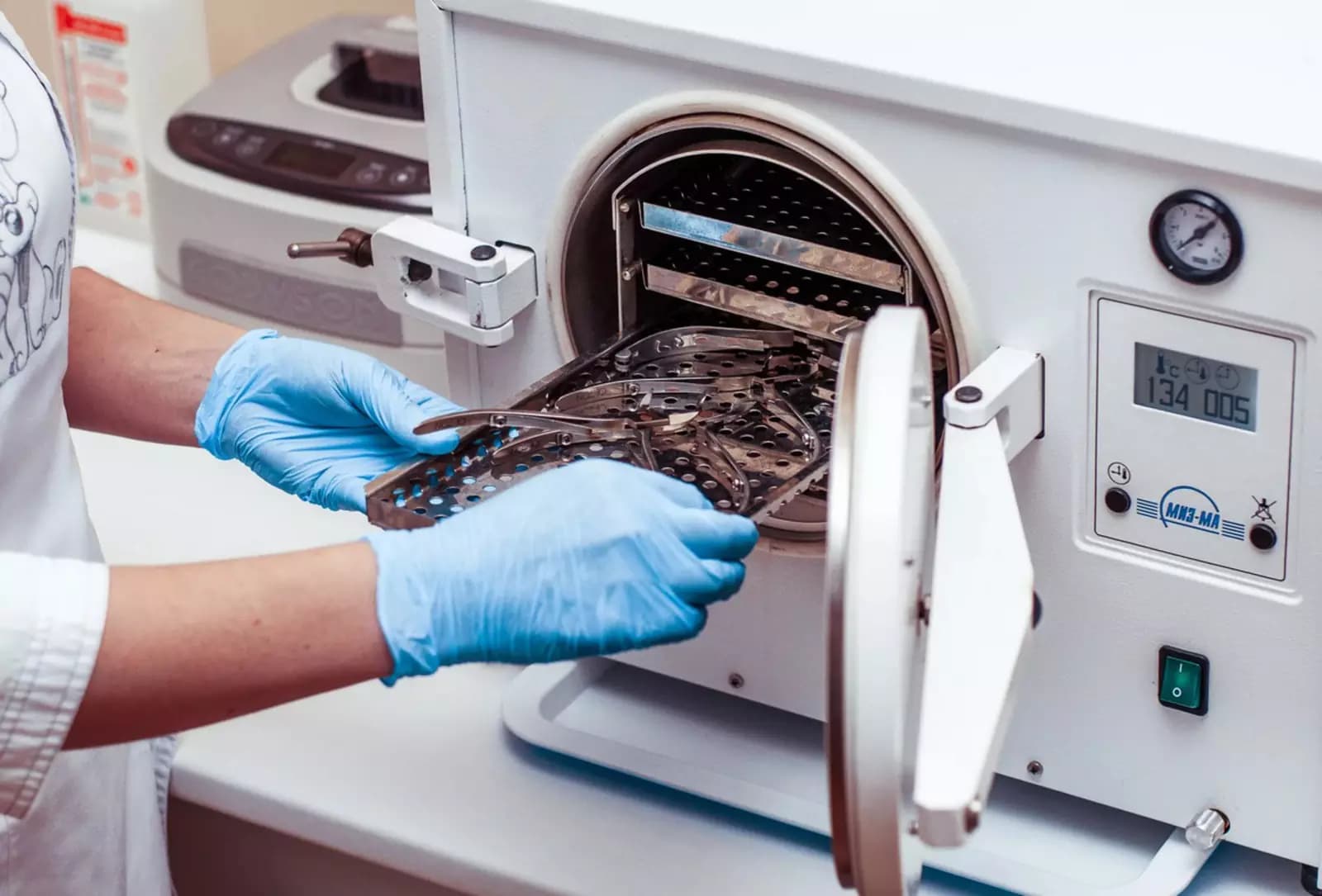
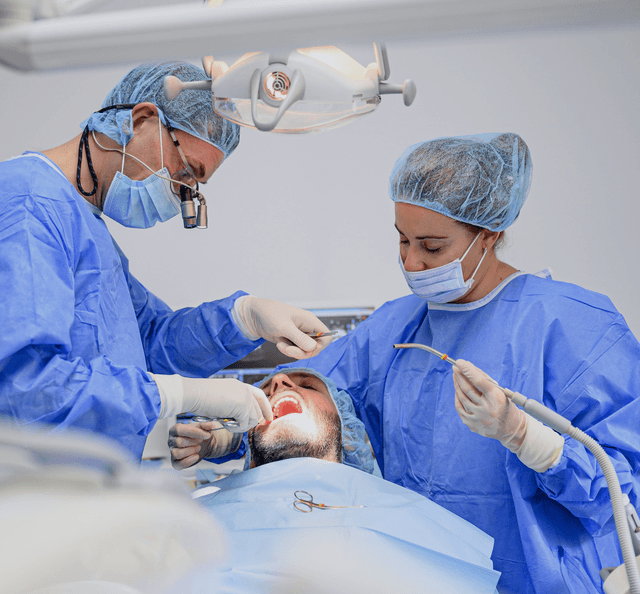
Sterilization of dental instruments is a critical step in ensuring safe and high-quality medical services. Without proper sterilization, there is a high risk of cross-contamination and the spread of infectious diseases between patients. For this reason, all modern dental clinics must follow strict sterilization protocols.
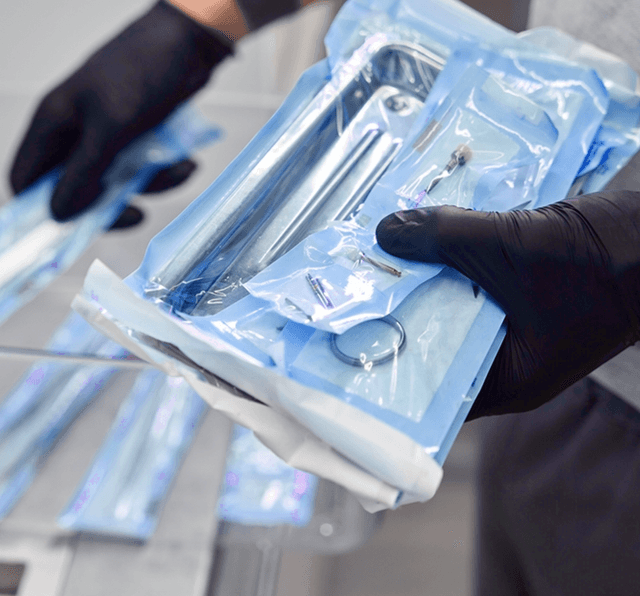
The most reliable and commonly used method is autoclaving, where instruments are treated with high-pressure steam to destroy bacteria, viruses, fungi, and even spores. Dry heat sterilization is suitable for heat-resistant tools, while chemical sterilization is used for items sensitive to high temperatures.
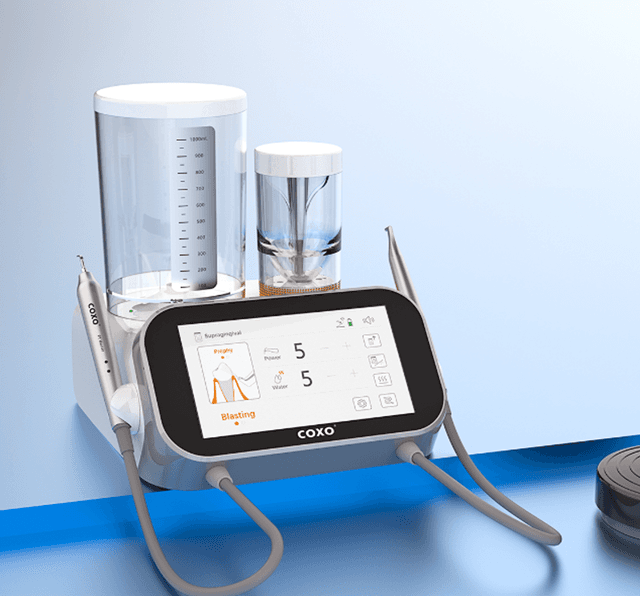
Today, advanced technologies are transforming the sterilization process. Plasma sterilizers use hydrogen peroxide at low temperatures, allowing safe sterilization of delicate instruments without causing damage. Ultrasonic cleaning, used as a pre-treatment step, applies high-frequency vibrations to remove debris from hard-to-reach areas of tools and ensures thorough cleanliness before the actual sterilization. Digital monitoring systems are increasingly being adopted to improve precision and safety. These systems automatically record sterilization cycle parameters such as temperature, pressure, and duration, helping maintain quality control and prevent human error. This ensures consistent results and builds a reliable safety protocol across all procedures.
In Azerbaijan, more dental clinics are embracing these innovations. By integrating both traditional and cutting-edge sterilization methods, clinics not only protect patient health but also enhance their professional reputation. Sterilization is no longer just about maintaining cleanliness — it’s a key element of patient care, essential for building long-term trust, ensuring satisfaction, and offering dental services that meet the highest international standards of safety, hygiene, and technological advancement.