AdenttaAdenttaBlogsAdenttaRetainers after braces: why are they necessary?

Retainers after braces: why are they necessary?
01 yan 1970
blogDetail

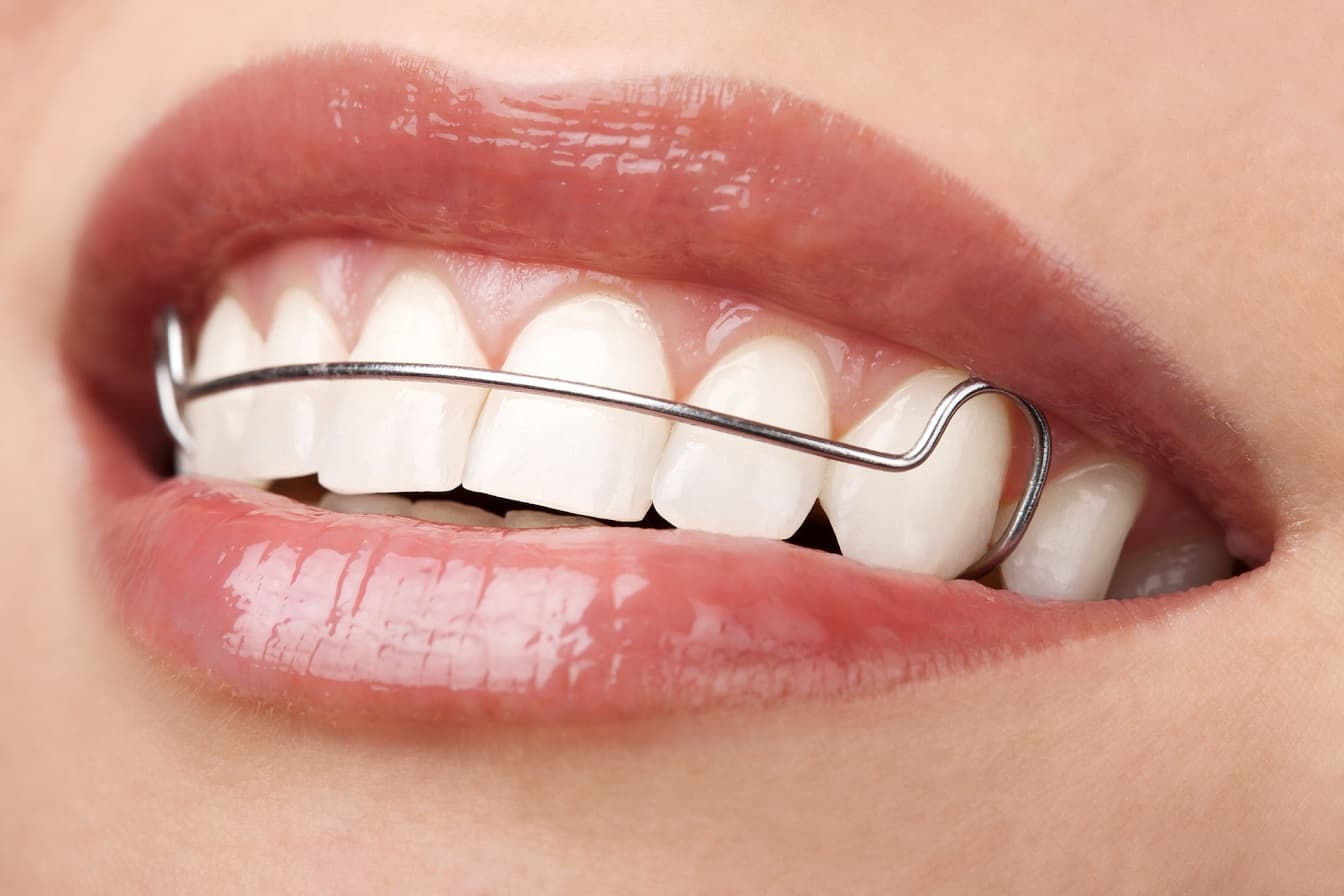
Retainers are a crucial final stage in orthodontic treatment, essential for maintaining the results achieved after braces are removed. Once treatment is complete, teeth have a natural tendency to shift back to their original position due to pressure from soft tissues, the tongue, or the elasticity of surrounding structures. To prevent this unwanted movement and preserve proper alignment, dentists recommend wearing retainers. There are two main types of retainers: removable and fixed.

Fixed retainers are thin metal wires bonded to the back side of the teeth. They are virtually invisible, do not interfere with daily life, and provide constant stabilization. Removable retainers are transparent plastic trays, usually worn at night. They are easy to remove and clean, but require consistent, disciplined use for effectiveness.

The duration of retainer use varies depending on the individual's needs, the severity of the initial condition, and the orthodontist’s recommendations. On average, retainers are worn for several months to several years. During this phase, maintaining excellent oral hygiene is essential, as plaque buildup around the retainer can lead to gum inflammation and other dental issues. Regular visits to the orthodontist are also important to ensure that the retainer is functioning properly and to make adjustments if needed.

Skipping this stage or using the retainer irregularly can result in teeth shifting back, potentially requiring another round of orthodontic treatment, which demands time, effort, and cost. Retainers play a vital role in preserving a straight, beautiful smile long-term. Thanks to modern materials, they are comfortable, discreet, and effective. Following professional advice and being responsible during the retention period ensures lasting results and protects your orthodontic investment.

Other blogs
Health Begins with Hygiene!

Creating a sterile environment is not only essential for the quality of dental procedures but also for the safety of both patients and clinical staff. The cleaning and sterilization of instruments in a clinic is not a single step, but a multi-stage process that must be carried out in a specific order.

Below are the 5 key stages that ensure proper hygiene:

Initial Instrument Rinsing
The first step in sterilization is mechanical and chemical cleaning of instruments. This phase removes visible debris and biological residues, paving the way for effective sterilization. Instruments that are not properly cleaned at this stage may not be fully sterilized later.

Ultrasonic Cleaning
Invisible threats require powerful solutions! Ultrasonic cleaners use high-frequency sound waves to remove microscopic particles from the instruments, eliminating hidden bacteria. This step is crucial for successful sterilization.

Autoclave Sterilization Process
High temperature and pressure work together to eliminate bacteria, viruses, and spores. The autoclave process is considered the “gold standard” of hygiene protocols, ensuring instruments are completely safe for use.

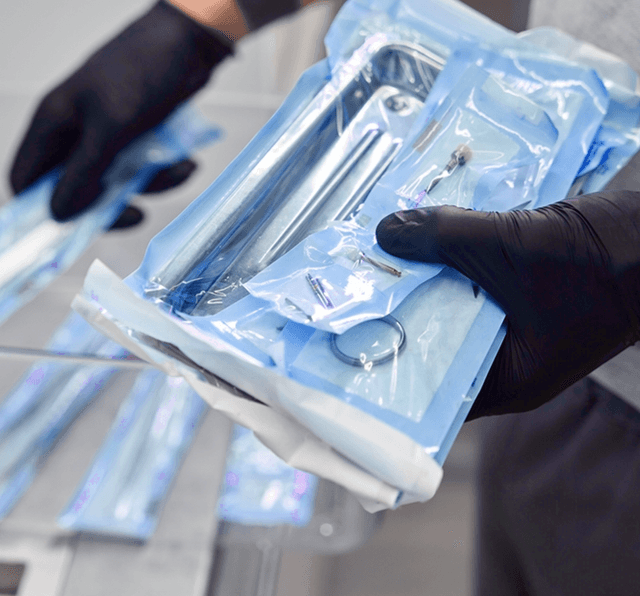
Sterile Packaging and Storage
Proper packaging and storage in a clean, dry environment are essential to maintain sterility after autoclaving. This stage helps prevent contamination before the next use and reflects the clinic's professional standards.

Protective Gear for Staff
Sterilization isn’t just about instruments. Protective gear such as medical masks, gloves, gowns, and face shields help protect both staff and patients. It is a key part of maintaining a sterile environment.

A sterile clinic is the result of a well-planned and consistently implemented system. Every step plays a role in delivering safe, high-quality care to patients. Remember: health begins with hygiene!

Learn More